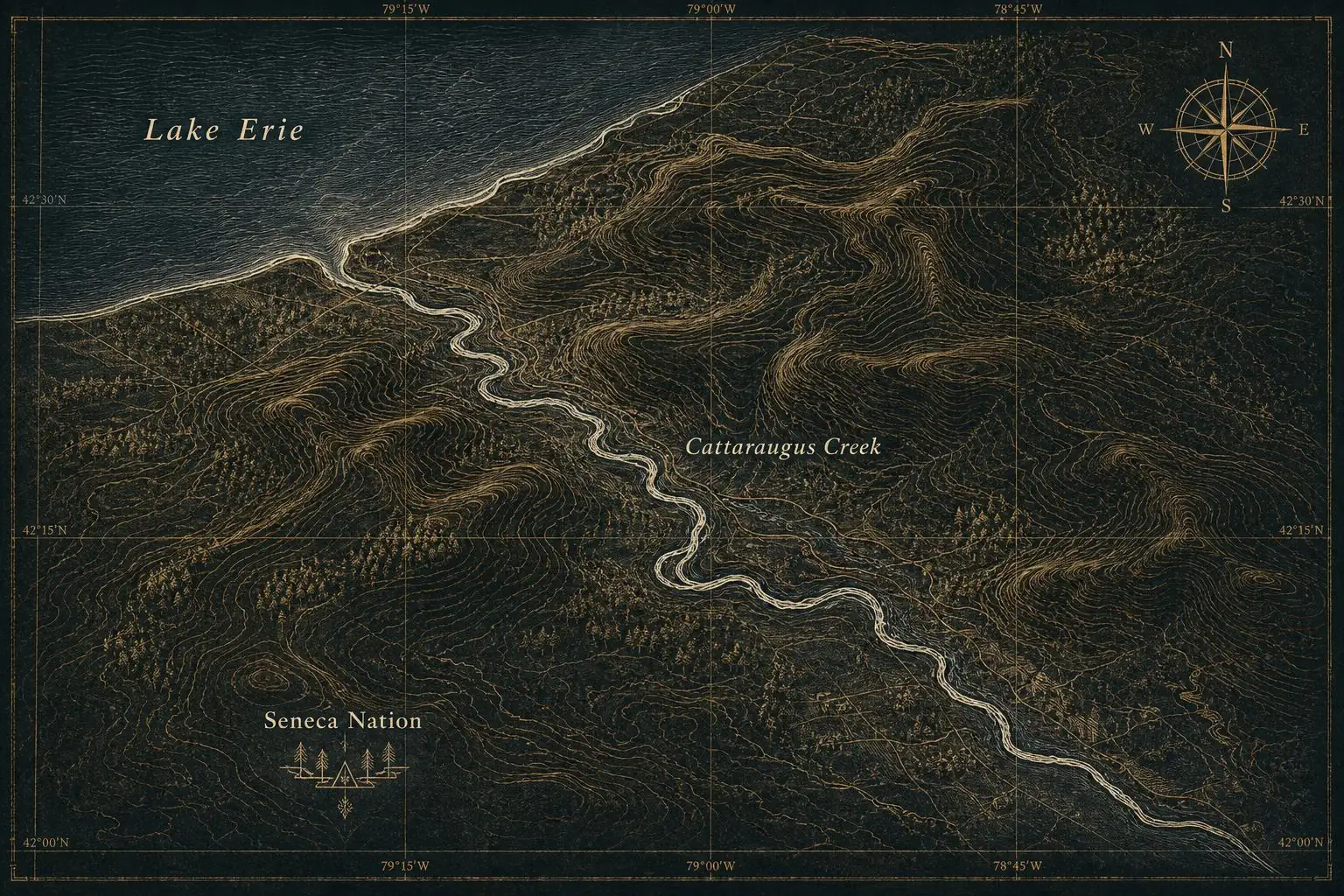
Sovereign Energy
× Digital
Infrastructure
Converting stranded natural gas — supplemented by on-site solar and wind — into Bitcoin, hosted compute, and sovereign digital infrastructure on Seneca Nation territory.
Low-cost, controlled power. Sovereign land. Strong economics.
A phased business model that converts on-site natural gas into electricity, and electricity into the highest-value digital products available to a sovereign operator.
Begin with Bitcoin mining as the fastest path to monetize stranded gas. Layer in hosted compute and a cost-savings audit for Seneca Casino operations. Reinvest the spread into a long-horizon platform: ISP, telecom, private cloud, and AI compute — all owned by the Nation.
- IBitcoin & Hosted MiningDirect gas-to-revenue conversion.
- IIMini Data CenterEdge, GPU, and sovereign storage.
- IIICasino Cost-Savings AuditReallocate utility & telecom spend.
- IVSovereign InfrastructureISP, telecom, AI compute, private network.
The land itself is the advantage.
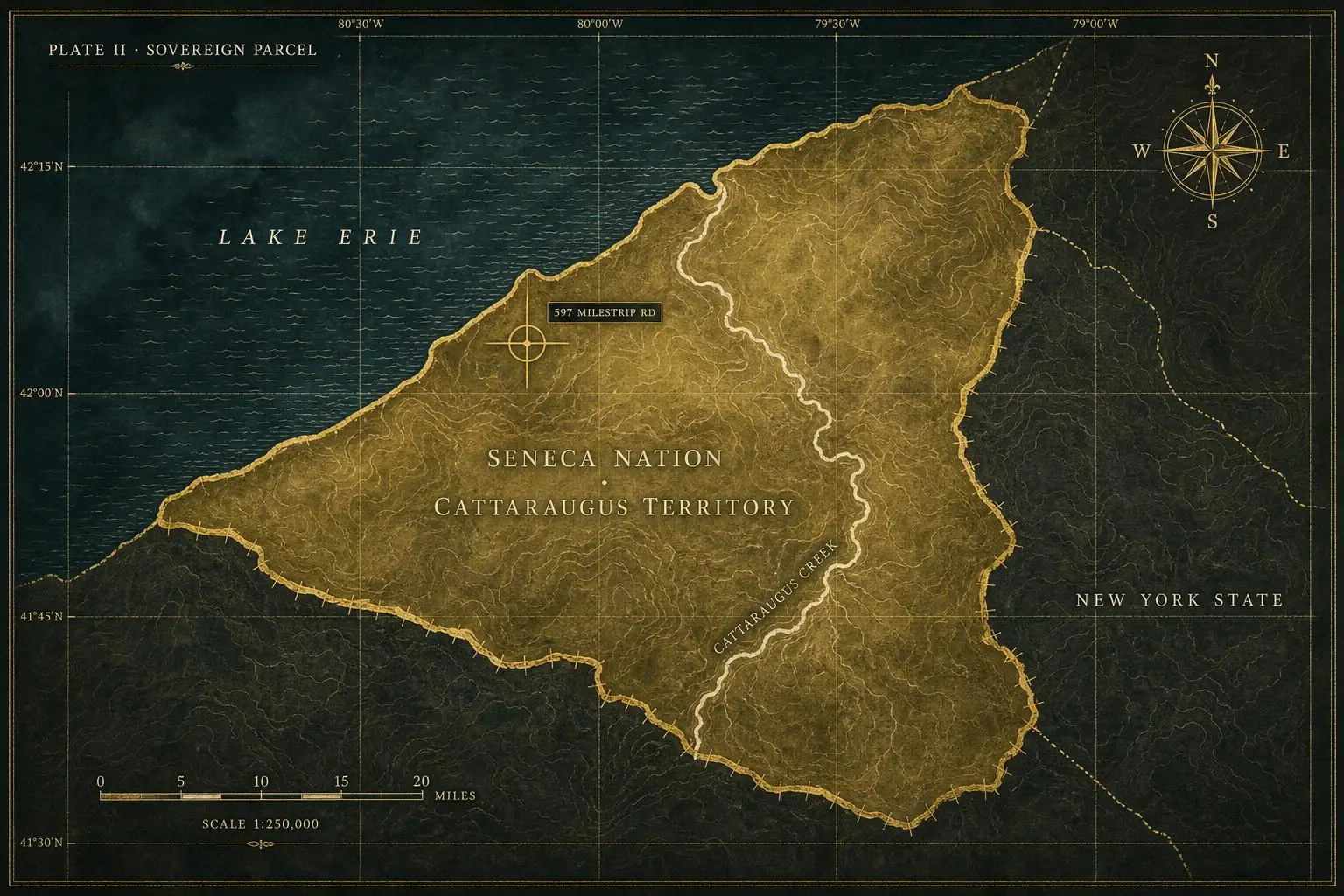
Sovereign land may unlock advantages around taxation, permitting, energy use, and tribal enterprise structuring that are simply not available on commercial parcels.
Seneca Holdings has publicly stated a mandate to diversify revenue beyond gaming and tobacco. Digital infrastructure development is the natural next chapter — and one of the few categories where sovereign status compounds rather than complicates the business case.
Final structure subject to review by tribal counsel, tax counsel, energy counsel, and NY regulatory counsel.
One well online. Four waiting to be proven.
The thesis begins with a single well producing roughly 200 kW today. Four additional wells are documented across the surrounding land but have not yet been flow-tested. The upside isn't a known quantity — it's a question worth answering.
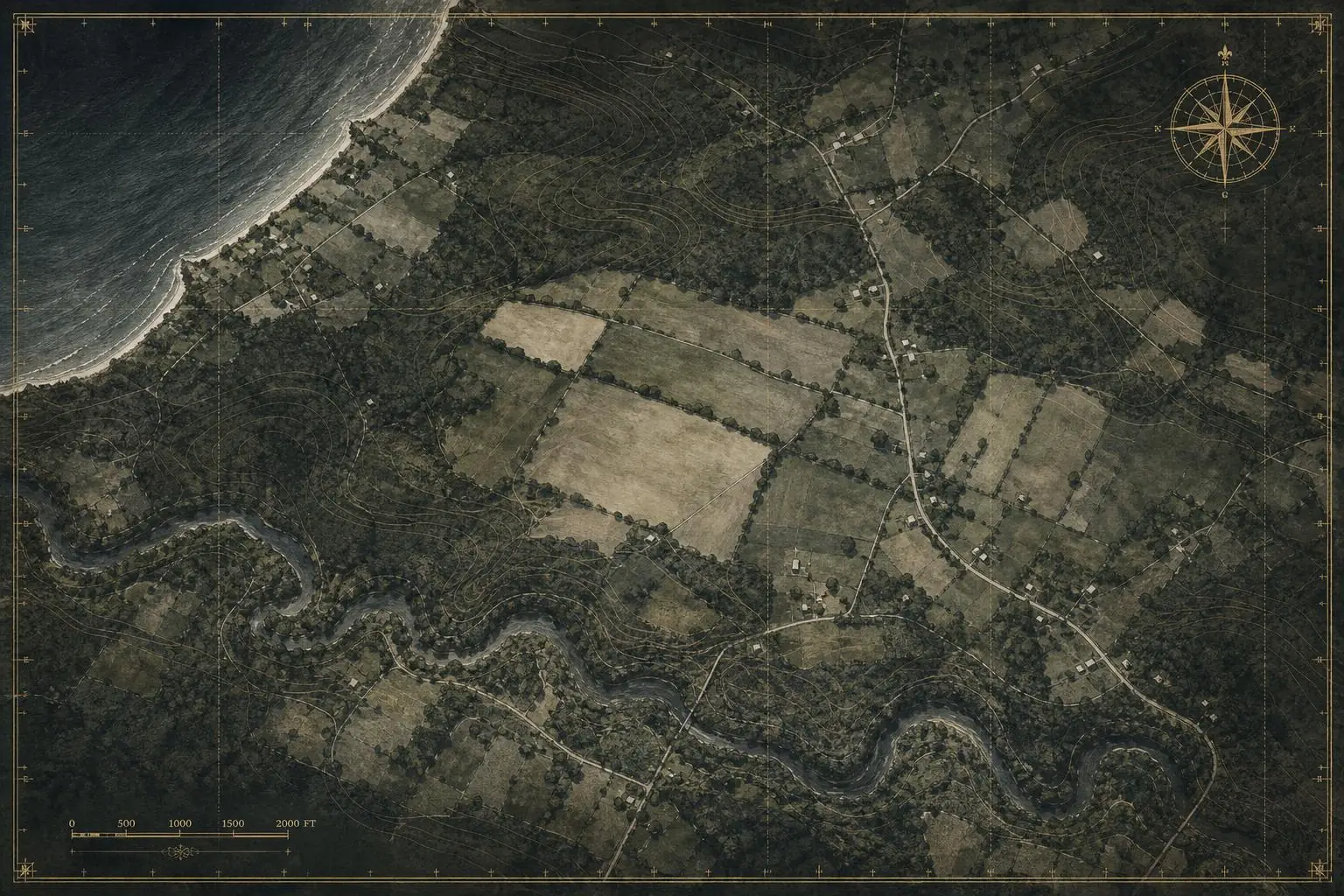
Wells are owned by the Seneca Nation and partner teams on-territory. Once a well is brought online, the marginal fuel cost approaches zero — no third-party gas purchase, no midstream tariffs, no off-reservation royalties. The $0.04/kWh figure below is a conservative placeholder for operations and lift; true delivered cost trends meaningfully lower, which compresses payback and widens every margin shown above.
Illustrative — assumes BTC ≈ $80,000, network ≈ 800 EH/s, 3.125 BTC block reward, fleet efficiency 20 J/TH, delivered gas power ≈ $0.04/kWh (conservative; tribal/team ownership pushes effective cost lower). Excludes hardware capex, hosting margin, and downtime. Move the dials in the Economics section for your own scenarios.
Gas is the baseload. Solar and wind do the rest.
Natural gas gives us firm, dispatchable power around the clock. Layering on-site solar arrays and small wind turbines stretches every kW further, lowers blended cost, and improves the sovereign-energy story.
Firm 24/7 power. Generators sized to wellhead flow. Dispatchable, weather-independent.
Roof-and-ground arrays on Nation land. Offsets daytime mining load. Zero fuel cost.
Lake-Erie-adjacent siting. Strongest at night when solar is offline. Pairs naturally with PV.
With a moderate hybrid build — five wells, a ~150 kW solar array, and ~200 kW of small wind — the site delivers an estimated ~720 kW continuous with roughly 13% of energy from zero-fuel-cost renewables. Adjust the dials in the next section to feel the trade-offs.
= Lower Blended Cost
A three-phase deployment.
Test mining, uptime, cooling, remote monitoring, and gas-production consistency.
Validate economics. Begin negotiating hosting and infrastructure deals.
Full sovereign digital infrastructure platform across mining, compute, and telecom.
Four products. One power supply.
Bitcoin Mining
Most attractive when power is cheap. Best use case: monetize stranded or low-cost gas directly into a liquid digital asset. Modular, fast to deploy, and possible to start small.
100 kW pilot ≈ 72,000 kWh/month — roughly 25–35 modern ASICs depending on model.
- +Fastest deployment
- +Modular & scalable
- +Direct gas-to-BTC conversion
- −BTC price volatility
- −Difficulty changes
- −Hardware obsolescence
Hosted Mining
Instead of owning miners, host third-party hardware. Site provides power, racks, cooling, uptime, and monitoring; clients pay per-kWh or fixed monthly hosting fees.
- +Lower capital intensity
- +Recurring revenue
- +Less BTC balance-sheet risk
- −Client concentration
- −SLA exposure
- −Margin compression
Mini Data Center & Compute
Edge compute, GPU/AI hosting, private cloud, sovereign storage, and disaster recovery. Higher enterprise value, more stable contracts, stronger long-term positioning.
PJM expects 32 GW of demand growth by 2030 — 30 GW from data centers (Reuters).
- +Higher enterprise multiples
- +Stable contracts
- +Strategic positioning
- −More upfront engineering
- −Higher reliability bar
- −Compliance overhead
Casino Cost-Savings Audit
Audit Seneca Casino utility, telecom, cloud, and infrastructure spend. Then redirect savings into sovereign-owned infrastructure that creates new recurring revenue rather than simply reducing line-item cost.
- +Self-funding expansion
- +Aligned with Nation enterprise mandate
- +Enables vertical integration
- −Requires operational coordination
- −Multi-vendor complexity
- −Longer sales cycle
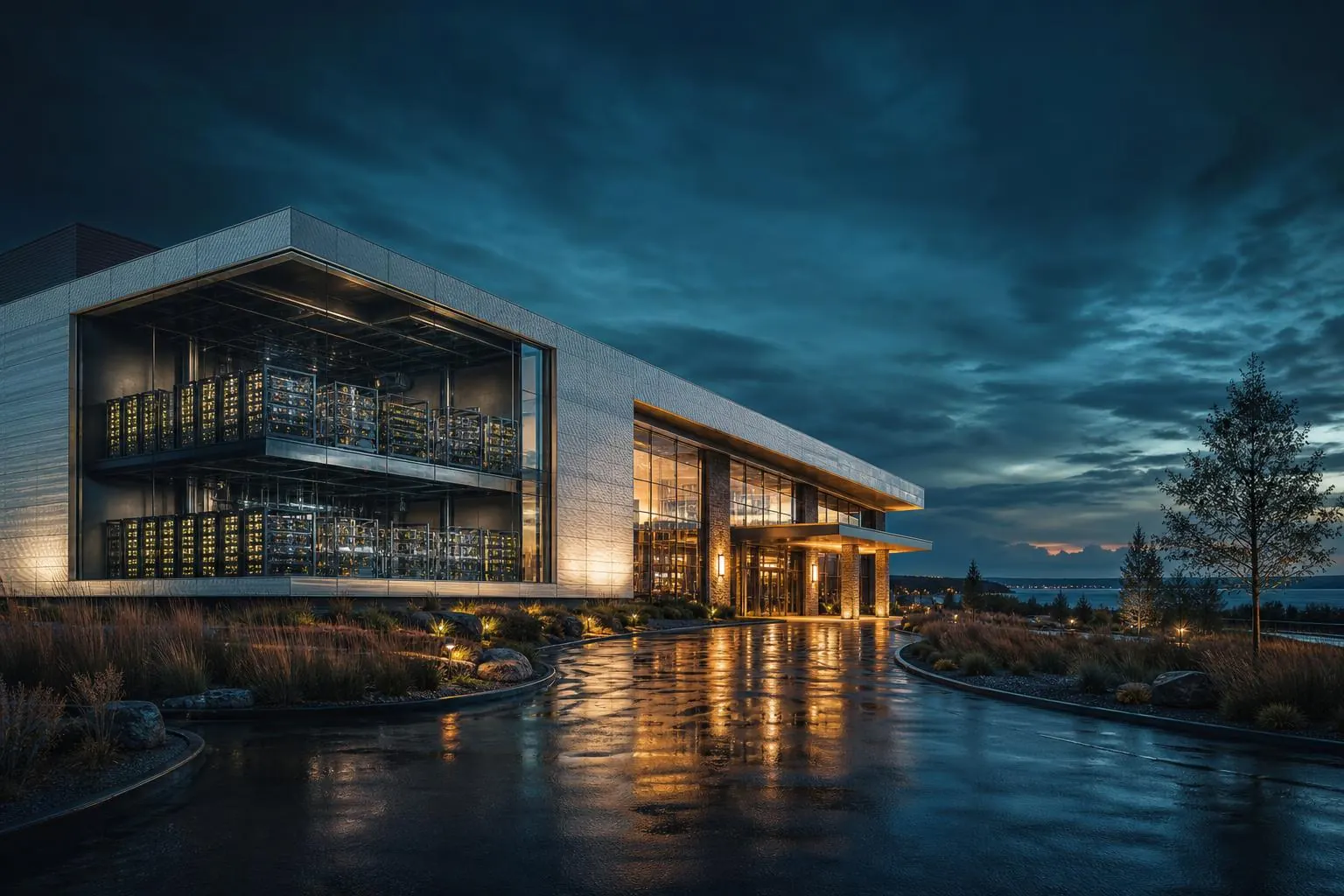
Don't just save the spend.
Compound it.
A power and infrastructure audit at Seneca Casino can typically identify ~20% in recoverable spend.
The audit alone is valuable. But the real opportunity is what happens when those savings get redirected into sovereign-owned mining and mini data center capacity— operating inside the building you've already paid for.
Cost reduction becomes infrastructure. Infrastructure becomes recurring revenue. Recurring revenue stays inside the Nation.
Audit utility, telecom, cloud, and infrastructure spend across casino operations. Identify line items running above market — typically 15–25% of total.
Renegotiate contracts, consolidate vendors, retire shadow IT, and right-size capacity. Captured savings flow back to the operator as freed capital.
Redirect freed capital into sovereign-owned mining and mini data center capacity. Cost reduction becomes a recurring revenue platform.
Adjust the assumptions to size the opportunity. Numbers are illustrative and intended for directional discussion only.
A line-item cost reduction of $1.00M becomes a sovereign revenue platform projecting $1.90M annually — while keeping the original $1.00M in cost savings on the books.
Illustrative model for discussion. ROI multipliers (1.6× mining, 2.2× hosting) are directional placeholders; actual returns depend on power cost, BTC price, hardware efficiency, contract structure, and operating margin.
Move the dials. Watch the thesis.
Illustrative model. Renewables modeled at NY-typical capacity factors (solar ~22%, small wind ~30%) and treated as zero marginal fuel cost. Gas remains the firm baseload. Assumes 800 EH/s network hashrate, 3.125 BTC block reward, 144 blocks/day. Excludes hardware capex, maintenance, hosting margin, transaction fees, taxes, and downtime.
A hybrid is the right answer.
Roughly 20–30% for company-owned mining, 40–50% for hosted clients, and 20–30% reserved for strategic sovereign infrastructure. Adjust to feel the trade-off.
From wellhead to digital asset.
Where this can grow.
What we need to verify.
What we do next, together.
Confirm the Resource
Site & Approvals
Casino Audit
Pilot — 1 Well
Commercial
Tip — checks save locally in your browser.
This is not just a crypto mining project. It is a sovereign energy monetization and digital infrastructure opportunity — beginning with natural-gas-powered mining and evolving into a higher-value platform across data centers, telecom, ISP, AI compute, and casino infrastructure.